Flawless Walls Every Time: The Art of Drywall Repair and Texture Matching
February 22, 2026
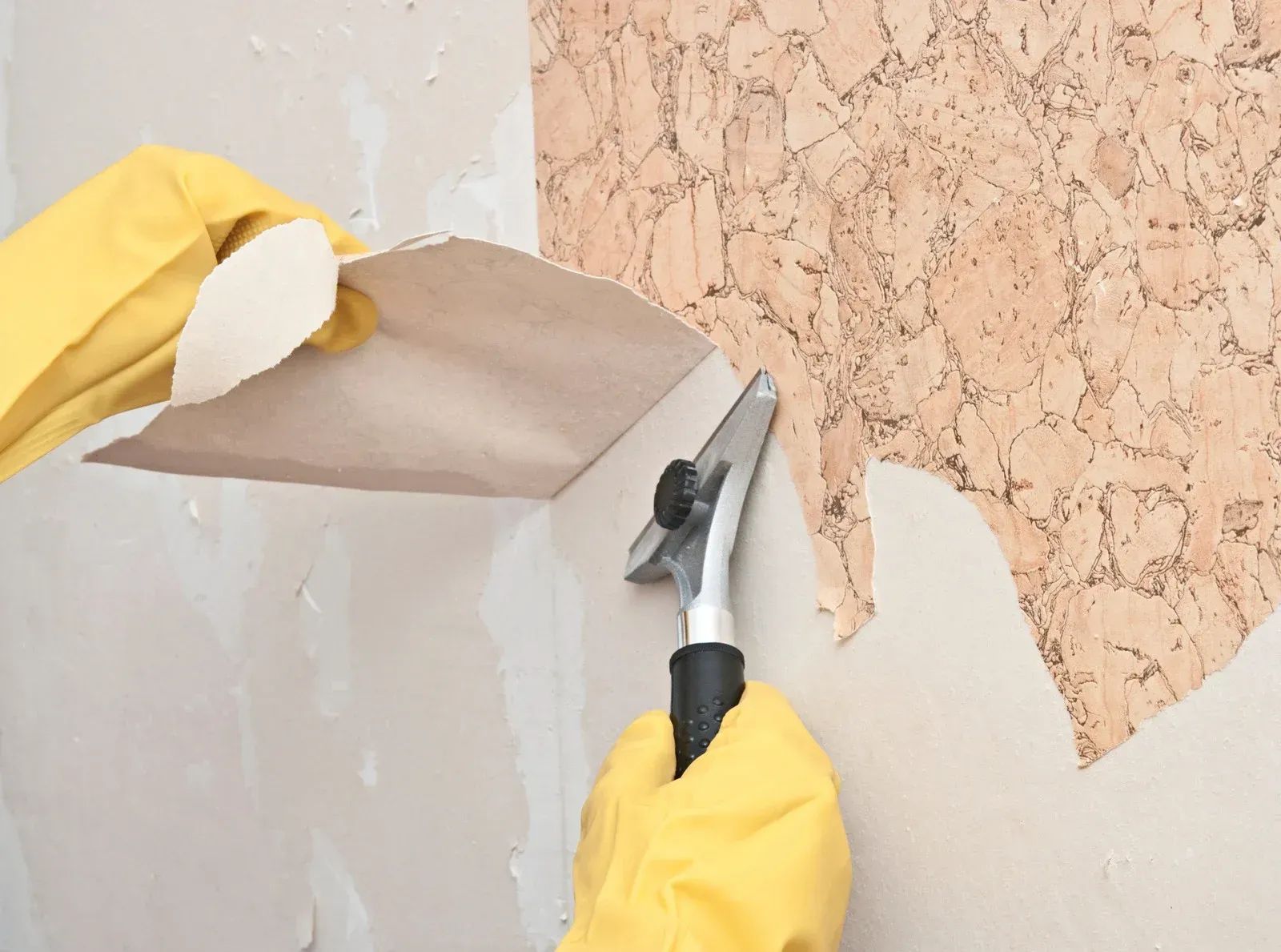
Drywall is one of the most widely used materials in modern construction, providing smooth, durable surfaces that define the interiors of homes and commercial spaces alike. While its installation may seem straightforward, maintaining flawless walls over time presents unique challenges. From accidental dents and nail holes to water damage or cracks caused by settling foundations, even minor imperfections can compromise the aesthetic and integrity of a wall. Addressing these issues effectively requires more than just patching—they demand a blend of technical skill, precision, and an understanding of texture matching to ensure the repair is invisible.
For homeowners, property managers, and renovation professionals, mastering drywall repair is essential not only for maintaining visual appeal but also for protecting the structural value of a property. A mismatched patch or poorly blended texture can stand out like a blemish, detracting from the overall space. In this guide, we explore the art and science of drywall repair, from identifying damage and selecting materials to expert techniques for seamless texture matching. Whether you are a DIY enthusiast or a seasoned professional, these insights provide actionable knowledge to achieve flawless walls every time.
Understanding Drywall Damage: Types and Causes
Common Drywall Problems
Drywall is widely appreciated for its smooth finish, affordability, and ease of installation, but it is not immune to damage over time. Recognizing the types of damage is critical for implementing the correct repair method, as different issues require different approaches. Common drywall problems include:
- Cracks: Cracks are one of the most frequent issues in both older and newer homes. They often appear near corners, windows, or door frames due to natural settling of the home, temperature fluctuations, or changes in humidity. Fine hairline cracks can usually be addressed with simple patching, whereas larger structural cracks may indicate foundation issues that require professional assessment.
- Holes: Holes range from minor nail or screw punctures to larger impact damage caused by accidents or moving furniture. Pet scratches and door handles are also common causes of wall holes. Holes must be cleaned and reinforced correctly to prevent the surrounding drywall from crumbling or the repair from appearing uneven.
- Water Damage: Water exposure is one of the most destructive factors for drywall. Leaks from plumbing, roof issues, or high humidity areas like bathrooms can cause drywall to warp, bubble, or crumble. In cases of mold growth, specialized remediation may be required before repair, ensuring the environment is safe and structurally sound.
- Surface Imperfections: Nail pops, dents, scratches, or minor abrasions are everyday wear-and-tear issues that can gradually accumulate. These imperfections, though small, can detract from the overall aesthetic of a room if left untreated.
Recognizing the specific type of damage and its severity is essential. Misdiagnosing a problem can lead to recurring damage, wasted materials, and a patchy finish that stands out rather than blends seamlessly with the existing wall.
Causes and Contributing Factors
Several key factors contribute to drywall deterioration, each influencing the repair approach:
- Structural Movement: Even subtle shifts in a building’s foundation can produce cracks in drywall. Seasonal expansion and contraction of building materials also create stress points, especially around corners and seams.
- Moisture Exposure: Kitchens, bathrooms, basements, and laundry rooms are particularly vulnerable. Moisture can weaken drywall integrity and cause bubbling or discoloration, often necessitating section replacement rather than simple patching.
- Improper Installation: Poor installation practices, such as insufficient fasteners, uneven joint compound application, or improper taping, can accelerate wall damage. Walls installed incorrectly are more prone to cracking, sagging, or developing uneven textures over time.
- Physical Impact: Everyday activity, such as moving furniture, children playing, or pets scratching, can compromise wall surfaces. Even minor impacts over time can cause holes, dents, or fine cracks.
Understanding the root cause of damage allows for targeted repairs that not only restore aesthetics but also extend the life of the wall and prevent future issues.
Tools and Materials for Professional Drywall Repair
Essential Tools
Having the right tools is critical for achieving a seamless drywall repair. Professionals rely on precise instruments to ensure every patch blends smoothly:
- Utility Knife: Ideal for cutting clean edges around damaged drywall or trimming new sheets to fit.
- Drywall Saw: Essential for removing larger sections of damaged drywall without causing further destruction to surrounding surfaces.
- Taping Knife Set: A variety of taping knives allows for smooth application of joint compound and feathering edges for a seamless finish.
- Sanding Tools: Sanding blocks or poles help achieve a level surface. Sanding should progress from coarse to fine grit for a polished finish.
- Mixing Paddles and Buckets: Properly mixed joint compound ensures even texture and consistency for patching.
Investing in high-quality tools not only saves time but also prevents uneven patches, reducing the likelihood of repeated repairs.
Materials Required
Material selection is just as crucial as using the right tools:
- Joint Compound (Drywall Mud): Lightweight compounds are ideal for finishing and minor repairs, while all-purpose compounds are better for medium or large repairs.
- Drywall Tape: Fiberglass or paper tape reinforces seams and helps prevent future cracking.
- Replacement Drywall Sheets: Full sheets or pre-cut patches are required for extensive damage. Ensuring proper thickness and type of drywall prevents mismatched surfaces.
- Primer and Paint: High-quality primers seal repairs and prepare surfaces for uniform paint application, while paint matching ensures invisible repairs.
- Texture Additives: Pre-mixed compounds or powders help replicate existing wall textures like orange peel or knockdown patterns.
Using high-grade materials prevents rework and contributes to long-lasting, professional-quality finishes.
Step-by-Step Drywall Repair Techniques
Small Holes and Minor Cracks
Small repairs, although seemingly simple, require attention to detail to avoid visible imperfections:
- Preparation: Clear the area of loose debris, dust, and peeling paint to ensure proper adhesion.
- Filling: Apply spackle or joint compound using a putty knife. Ensure the compound slightly overfills the hole to allow for sanding.
- Sanding: Once dry, sand smooth, feathering edges into the surrounding wall to avoid noticeable ridges.
- Priming and Painting: Seal the patch with a primer before painting to maintain uniform color.
Even small imperfections, if not handled carefully, can draw the eye and detract from a room’s appearance.
Medium Damage
Medium-sized holes or dents often require a more structured repair approach:
Cut a Clean Section: Square off the damaged area for a uniform patch application.
- Install a Backer: Attach a wood or metal support behind the patch to provide stability.
- Apply Drywall Patch: Fit a new drywall piece, secure with screws, and tape the seams.
- Joint Compound Application: Apply multiple thin layers, sanding between coats, to create a smooth, blended surface.
Layering is key; rushing this step can result in uneven texture or visible seams, undermining the repair quality.
Large Repairs and Replacement
For extensive damage, such as water-compromised walls or structural cracks, full replacement may be necessary:
- Assess Extent: Inspect insulation, studs, or wiring to ensure no underlying damage exists.
- Cut Out Damaged Sections: Remove all compromised drywall to prevent future issues.
- Install New Drywall: Secure with screws, ensuring the new section aligns flush with existing surfaces.
- Taping and Mud Application: Apply multiple layers of joint compound and reinforce seams with tape, sanding thoroughly between layers.
Large-scale repairs often require professional expertise to ensure structural integrity while maintaining a flawless aesthetic.
Mastering Texture Matching
Understanding Wall Textures
Matching wall texture is often the most challenging part of drywall repair. Common textures include:
- Smooth Finish: Sleek and contemporary, requiring precise application to blend seamlessly.
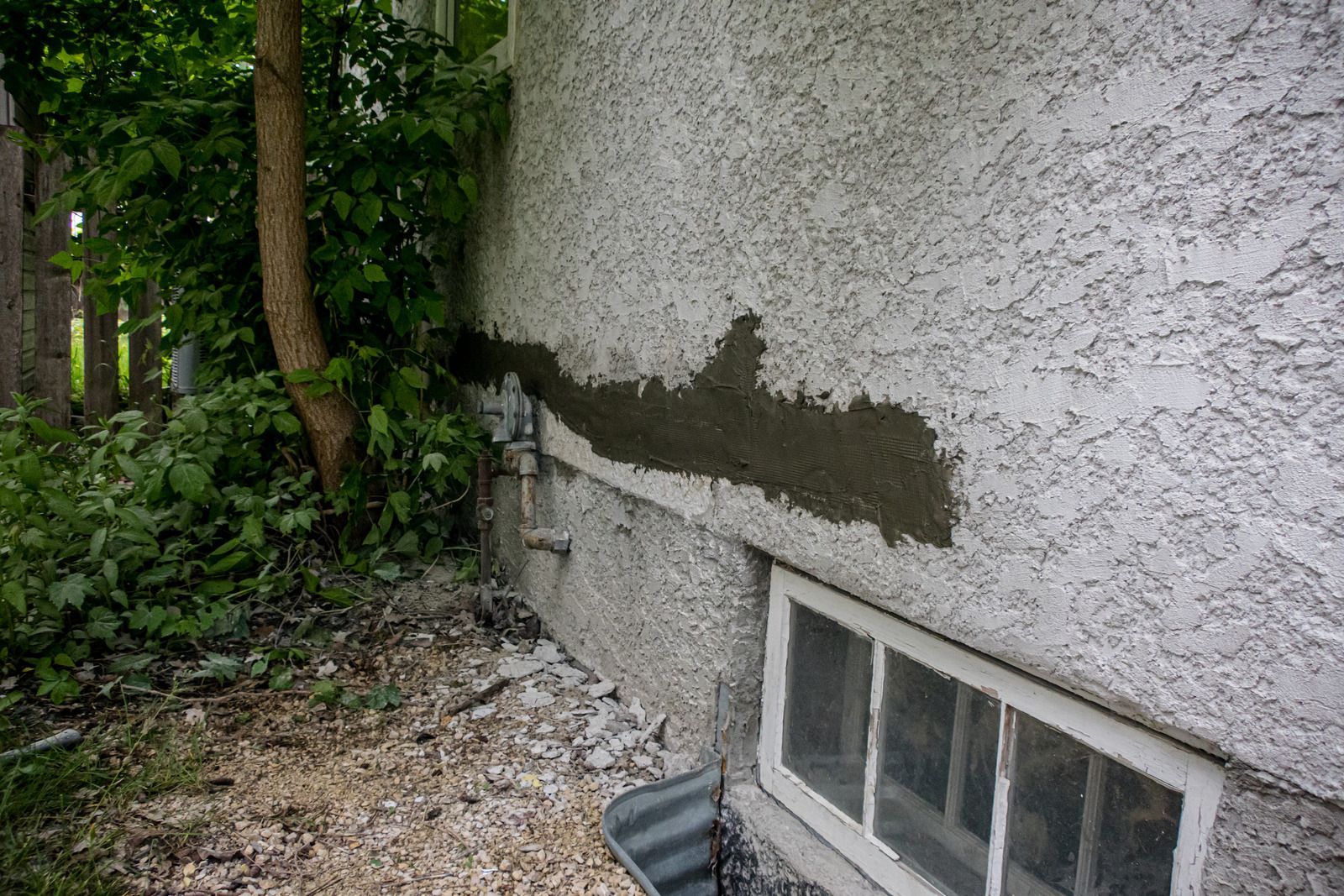
- Orange Peel: Subtle dimples achieved via spray, popular in modern homes.
- Knockdown: Flattened peaks after spraying, offering a textured yet refined look.
- Popcorn: Coarse texture, commonly used in ceilings of older homes.
Correctly identifying the wall texture before repair is critical for achieving a seamless visual integration.
Techniques for Texture Replication
- Spray Application: Perfect for knockdown and orange peel textures; adjusting nozzle pressure helps match the original pattern.
- Trowel or Brush Methods: Best for smooth or knockdown textures; provides control over depth and pattern direction.
- Practice on Scrap Material: Testing on a board allows adjustments before committing to the wall surface, reducing errors and mismatches.
Professional-level replication requires patience, experimentation, and attention to detail.
Common Challenges in Texture Matching
- Inconsistent Thickness: Over-application can produce bumps that are difficult to sand without damaging surrounding texture.
- Drying Time Differences: Compound drying at different rates can change color or pattern consistency.
- Color Variations: Fresh joint compound often appears lighter before priming and painting; anticipating this prevents noticeable patches.
Understanding these potential issues enables proactive solutions and ensures repaired areas blend seamlessly with the surrounding wall.
Dependable Professionals Delivering Perfect Texture Matching Results
Flawless drywall repair is both a science and an art, requiring careful assessment, quality materials, proper techniques, and expert texture matching. From small holes to large water-damaged sections, understanding the type of damage and selecting the appropriate repair method is critical. Mastery of texture replication, sanding, priming, and painting ensures that repairs blend seamlessly with existing surfaces, preserving both aesthetic appeal and property value. By adhering to best practices and taking a methodical approach, homeowners and professionals alike can achieve walls that look pristine every time.
For property owners in Rowlett, Texas, partnering with a trusted and experienced team elevates results to a professional standard. YourNextPainter, with 35
years in the painting and remodeling industry, combines technical expertise with meticulous attention to detail.
Specializing in drywall repair, texture matching, and comprehensive wall restoration, the company ensures every project delivers flawless, long-lasting results. Their commitment to precision, quality materials, and client satisfaction makes them a reliable authority in creating interiors that are as beautiful as they are structurally sound.