From Outdated to Outstanding: How Proper Wallpaper Removal and Wall Prep Make All the Difference
April 22, 2026
Wallpaper can define a room’s personality, but over time, even the most stylish designs begin to feel outdated, faded, or mismatched with modern interiors. What once looked elegant may now appear worn, peeling, or simply out of place. At that stage, transformation does not start with paint or new décor—it begins with proper wallpaper removal and wall preparation. This foundational step determines how smooth, durable, and visually appealing the final finish will be. It also sets the tone for every subsequent stage of the renovation process, ensuring consistency in both texture and appearance. A careful start always reflects in a superior end result.
In professional painting and remodeling work, surface preparation is not an optional phase; it is the backbone of long-lasting results. Without removing old wallpaper correctly and preparing the wall beneath it, even high-quality paint systems can fail prematurely. Bubbles, uneven textures, and adhesion issues often trace back to rushed or incomplete prep work. A well-prepared wall ensures that every finishing layer performs at its best, delivering both aesthetic and structural value. This attention to detail significantly enhances durability and reduces the need for frequent maintenance over time.
Understanding the importance of this process helps homeowners and property managers make informed decisions that protect investment and elevate interior spaces from outdated to outstanding. It creates a clear distinction between average results and truly professional finishes. When executed correctly, it transforms not just walls but the entire perception of a living or working space.
Why Wallpaper Removal Is the Foundation of Quality Interior Finishing
The Hidden Problems Behind Old Wallpaper
Old wallpaper often hides deeper surface issues such as cracks, moisture stains, and uneven plaster that are not visible at first glance. Even when surfaces look stable, deterioration continues beneath layers. If ignored, these problems eventually transfer into new finishes, reducing durability, appearance quality, and long-term structural performance of interior walls over time across environments and conditions present.
Adhesion Challenges With New Paint and Finishes
One of the most common issues in renovation work is poor adhesion between coatings and wall surfaces. Paint and primer require a clean, stable base to bond effectively. Residual adhesive or layered wallpaper creates a barrier that weakens grip, leading to peeling, blistering, and uneven textures that compromise overall finish quality and long-term durability over extended periods of use.
Long-Term Cost Efficiency
Investing time in proper wallpaper removal significantly reduces long-term repair and repainting costs. A correctly stripped wall becomes a reliable foundation for future upgrades, preventing repeated maintenance cycles. Skipping this step often leads to recurring issues that demand additional labor and materials, increasing overall project expenses and reducing efficiency across future renovation efforts, planning, and execution quality improvement.
Real-World Scenario
In many renovation projects, previously wallpapered surfaces require extensive correction after rushed removal attempts. Issues such as uneven patches, damaged drywall, and adhesive residue become visible once painting begins. These conditions demand sanding, patching, and re-priming, all of which could have been avoided through careful preparation, ensuring smoother workflow and more professional interior finishing results, overall project success rate.
Techniques for Safe and Effective Wallpaper Removal
Dry Stripping vs Wet Stripping
Wallpaper removal begins by identifying the material type, as different wallpapers respond to different stripping methods. Some designs peel away easily in dry sheets, while others require moisture-based solutions to break adhesive bonds. Wet stripping allows controlled removal by softening layers, reducing wall damage, and ensuring smoother separation from underlying plaster or drywall surfaces with improved surface safety outcomes.
Steam-Based Removal for Stubborn Layers
Steam-based removal is especially effective for older or heavily bonded wallpaper layers. The heat penetrates deep into adhesive structures, loosening bonds and allowing easier removal with minimal scraping. This technique helps preserve underlying plaster or drywall integrity, reducing the risk of gouges, surface tearing, and additional repair work during renovation processes, ensuring controlled and precise execution results are achieved.
Scoring and Perforation Techniques
In cases where wallpaper resists moisture penetration, light scoring techniques are used to create microperforations that allow removal solutions to reach deeper adhesive layers. When applied correctly, this method improves efficiency and reduces wall stress, ensuring cleaner separation without compromising the structural integrity of plaster or drywall beneath surface coverings while maintaining consistent quality and professional finishing standards overall.
Best Practice Approach
A systematic approach ensures wallpaper removal is completed in controlled sections to avoid over-saturation and surface damage. Proper tool selection, including scrapers, steamers, and solution sprayers, enhances precision and efficiency. Rushing this stage often leads to gouges, uneven drywall, and additional repair requirements, reducing the overall quality of interior finishing outcomes significantly when executed with careful planning and precision.
Assessing and Repairing Wall Damage After Removal
Identifying Surface Imperfections
Once wallpaper is removed, underlying wall conditions become fully visible, revealing issues such as adhesive residue, small cracks, dents, and uneven plaster patches. These imperfections must be carefully identified before any finishing work begins, as overlooking them can compromise final results and reduce the durability and visual consistency of painted surfaces significantly across the entire interior surface systems' overall quality.
Patching and Surface Leveling
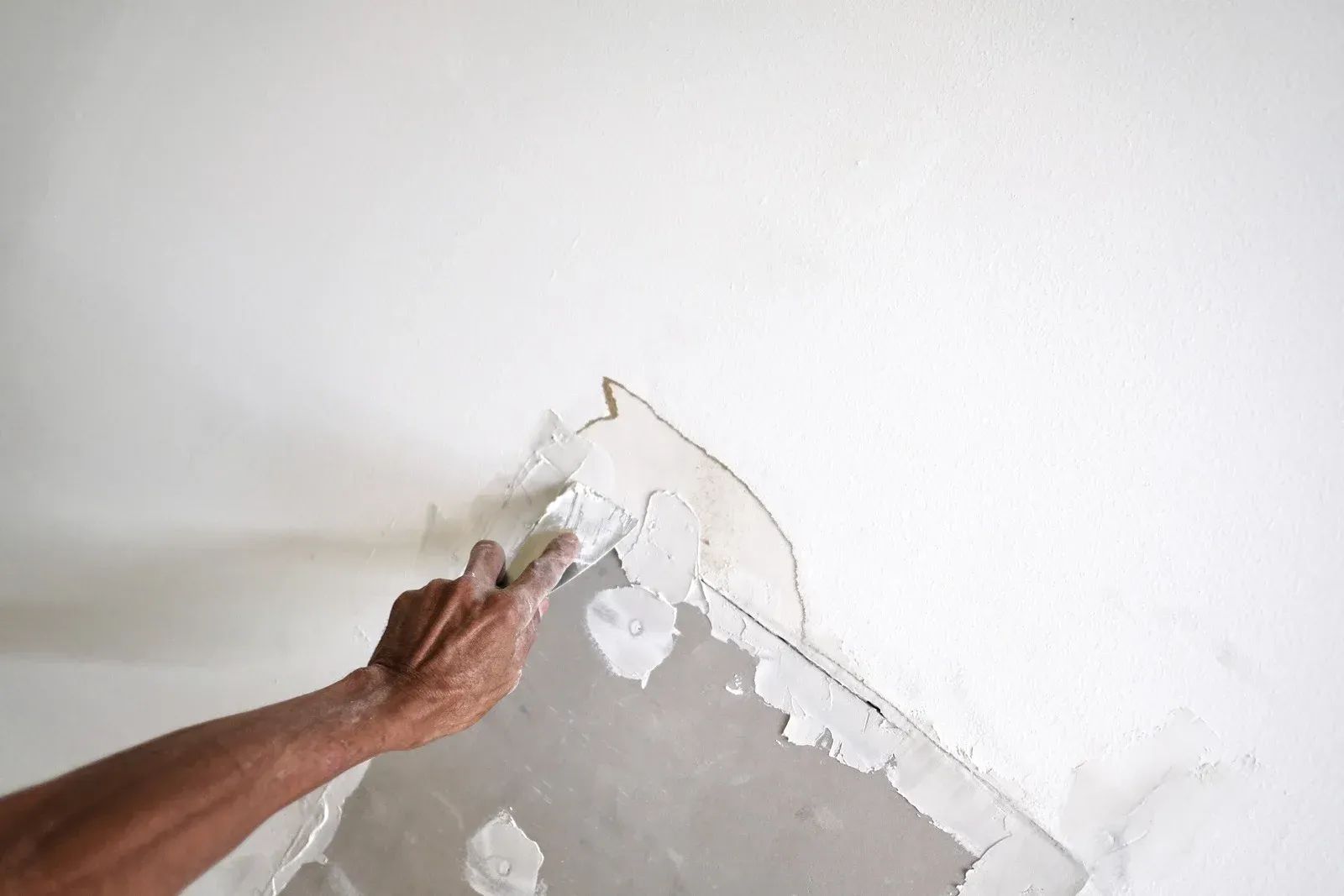
Professional-grade filler compounds are applied to repair damaged wall sections with precision, ensuring a smooth and even surface across all areas. Each patch is carefully leveled to blend seamlessly with surrounding material, and once dried, sanding refines transitions between repaired and original sections, creating a uniform base ready for painting without compromising structural surface integrity, performance standards maintained.
Dealing With Residual Adhesive
Old adhesive residue is often difficult to detect visually but can significantly affect paint adhesion if left untreated. Specialized cleaning solutions and light sanding techniques are used to eliminate hidden layers completely. This process ensures no residual material interferes with coating performance, allowing new finishes to bond evenly and maintain long-lasting durability across multiple interior conditions and environments.
Importance of Inspection
A thorough inspection under proper lighting is essential to identify inconsistencies that may not be visible during initial surface evaluation. Careful assessment ensures every defect is corrected before painting begins, preventing imperfections from appearing after finishing work. Skipping this stage often results in visible flaws that reduce overall quality and professional appearance significantly, ensuring reliable finishing outcomes are achieved consistently.
Professional Wall Preparation for a Flawless Finish
Priming for Uniform Absorption
Priming is essential after surface repair as it creates a uniform base that promotes even paint absorption across all wall areas. Without primer, patched sections may absorb paint differently, resulting in uneven tones and visible inconsistencies. A properly applied primer ensures consistent bonding, improved durability, and a smooth foundation for all subsequent finishing layers, ensuring long-term stability and performance.
Sanding for Smoothness
Even minor surface imperfections become highly visible after painting if sanding is incomplete or inconsistent. Using fine-grit sanding techniques ensures walls feel smooth and appear uniform under lighting conditions. Proper sanding removes irregularities, blends repaired areas seamlessly, and enhances overall finish quality, creating a polished and professional appearance across interior surfaces, delivering consistent high-end visual results.
Moisture and Surface Stability Control
Walls must be completely dry and structurally stable before any finishing application begins. Excess moisture trapped beneath paint layers can lead to bubbling, peeling, and long-term surface damage. Proper drying time ensures structural reliability, prevents coating failure, and maintains overall durability of finished surfaces across varying environmental conditions within interior spaces, supporting long-lasting surface protection systems performance.
Preparing for High-End Finishes
Proper preparation is critical when applying high-end paint finishes such as matte, glossy, or textured coatings. A well-prepared surface enhances color depth, improves adhesion, and reduces maintenance requirements over time. Careful preparation ensures consistent application results, elevates visual appeal, and extends the lifespan of interior finishes across residential and commercial spaces, ensuring superior finishing quality outcomes delivered.
Professional Insight
Experience shows that surface preparation determines the success of every interior finishing project. Even premium materials cannot compensate for poor groundwork. Attention to detail during preparation ensures consistent results, improved durability, and flawless visual appeal. This disciplined approach transforms ordinary surfaces into refined, long-lasting finishes that maintain quality under everyday use conditions across diverse interior environments and applications.
Reliable Wall Restoration Specialists Creating Perfect Bases
Wallpaper removal and wall preparation are not cosmetic steps—they are structural necessities that define the success of any interior transformation. When executed correctly, they eliminate hidden defects, improve adhesion, and ensure that new finishes perform at their highest potential. Each stage, from removal to priming, contributes to a smoother, longer-lasting, and visually superior result. Neglecting these steps often leads to uneven surfaces, premature peeling, and costly rework. A disciplined preparation process ensures that every finishing layer is applied on a stable and refined foundation, creating interiors that feel modern, clean, and professionally executed.
At YourNextPainter, based in Rowlett, Texas, we bring 35 years of experience in delivering precision-driven interior transformations. Every surface is treated as the foundation of quality craftsmanship, where careful wallpaper removal and detailed wall preparation set the standard for exceptional results. We understand that lasting finishes are never achieved through shortcuts, but through disciplined preparation and expert execution.
With extensive experience in painting and remodeling projects across residential and commercial spaces, we focus on delivering refined interiors that combine durability with visual excellence. Our work is guided by a strong emphasis on reliability, technical accuracy, and customer-focused outcomes. From outdated interiors to fully refreshed spaces, we transform environments with attention to detail at every stage. Every project reflects a commitment to excellence, where preparation is never rushed and quality is never compromised.