Restoring Strength and Style: The Complete Guide to Stucco Repair and Painting
March 26, 2026
Stucco has long been a preferred exterior finish for residential and commercial buildings, offering a combination of durability, aesthetic appeal, and weather resistance. However, like any building material, stucco is not immune to wear and tear. Over time, exposure to moisture, temperature fluctuations, and structural shifts can cause cracks, chips, and fading. These issues not only compromise the appearance of your property but can also impact its structural integrity if left unaddressed. As homeowners and property managers increasingly prioritize both the longevity and visual appeal of their exteriors, understanding the nuances of stucco repair and painting has become essential.
Beyond structural concerns, a well-maintained stucco surface can significantly enhance curb appeal and property value. Properly executed repairs restore the material’s protective qualities, while a fresh coat of paint can breathe new life into weathered exteriors. For contractors, painters, and DIY enthusiasts alike, mastering the techniques and best practices for stucco maintenance is critical. This guide provides a comprehensive look at the repair process, surface preparation, painting strategies, and ongoing care, empowering property owners to preserve both the strength and style of their stucco exteriors. Whether addressing minor cracks or planning a full repaint, informed decisions ensure lasting results and a polished finish.
Understanding Stucco and Its Common Issues
What is Stucco?
Stucco is a versatile plaster-like material made from cement, sand, lime, and water. Applied over a wire mesh or lath, it hardens into a durable, weather-resistant surface. Its adaptability allows it to be finished in a variety of textures—from smooth to highly textured patterns—making it a popular choice for both traditional and contemporary architectural styles. Beyond aesthetics, stucco provides insulation benefits, fire resistance, and low maintenance compared to other exterior finishes.
Common Problems in Stucco
Despite its durability, stucco is susceptible to several common issues:
- Cracking: Hairline cracks often develop due to settling, temperature fluctuations, or shrinkage during curing. While minor cracks are mainly cosmetic, larger cracks can allow moisture to penetrate, leading to more serious structural problems.
- Chipping and Spalling: These occur when the surface flakes or breaks away, typically from impact damage or water infiltration.
- Discoloration and Fading: Over time, UV exposure, pollution, and weathering can cause stucco to lose its vibrant finish, giving the exterior a worn appearance.
- Water Damage: Poor drainage, roof leaks, or improper sealing can cause water to seep into the stucco, leading to staining, efflorescence, or even mold growth.
Signs You Need Repair
Recognizing early signs of stucco damage allows for timely intervention, preventing costly repairs later. Homeowners should look for visible cracks wider than 1/8 inch, soft spots when pressed, water stains, or areas where paint has begun to peel. Regular inspections, particularly after severe weather events, are crucial in maintaining the integrity of stucco exteriors.
Proper understanding of these issues sets the foundation for effective repairs and painting, ensuring that the protective and aesthetic qualities of stucco are preserved.
Preparing for Stucco Repair
Assessing the Damage
Before any repair work begins, a thorough assessment of the stucco surface is necessary. This involves examining the exterior for cracks, holes, and areas of spalling. Using a hammer or a small chisel, gently tap sections of the stucco to check for hollow spots, which indicate detachment from the underlying lath. Documenting the extent of damage helps determine the repair materials and techniques required, whether it’s a small patch or extensive resurfacing.
Cleaning the Surface
Effective stucco repair starts with a clean surface. Dirt, mold, mildew, and loose debris can prevent repair materials from adhering properly. Pressure washing or scrubbing with a mild detergent solution removes surface contaminants. For mold or mildew, a solution of water and bleach (typically 1:3 ratio) can be applied, followed by thorough rinsing. Ensuring the surface is dry before applying repair material is critical to prevent improper curing or adhesion issues.
Choosing the Right Materials
Stucco repair requires selecting materials compatible with the existing finish. Pre-mixed stucco patch compounds work well for small cracks and chips, while larger repairs may require a custom blend of sand, cement, and lime to match texture and color. For painted stucco, color-matched repair products ensure seamless integration with the surrounding surface. Using high-quality materials improves durability and prevents recurring damage.
Safety Considerations
Working with stucco involves handling cement-based products and potentially working at heights. Protective gear such as gloves, goggles, and dust masks is essential. Additionally, scaffolding or ladders should be properly secured to minimize risk. Prioritizing safety not only protects workers but ensures a smoother repair process.
Step-by-Step Stucco Repair Techniques
Repairing Small Cracks
For hairline cracks under 1/8 inch, simple patching with a pre-mixed stucco patch compound is sufficient. Start by widening the crack slightly with a utility knife to create a V-shaped groove, which allows the patch to adhere effectively. Apply the compound with a trowel, smoothing it flush with the surrounding surface. Once dry, sand lightly to blend with the texture and prepare for painting.
Addressing Larger Cracks and Holes
Cracks wider than 1/4 inch or small holes require more extensive preparation. Remove loose or damaged stucco around the area, cleaning down to the lath or substrate. Apply a bonding agent to improve adhesion, then fill the cavity with a base coat of stucco mix. Once partially set, apply a finish coat matching the texture of the surrounding wall. Proper curing is essential; follow manufacturer recommendations for drying times, typically 24–48 hours for smaller repairs.
Repairing Spalling or Damaged Panels
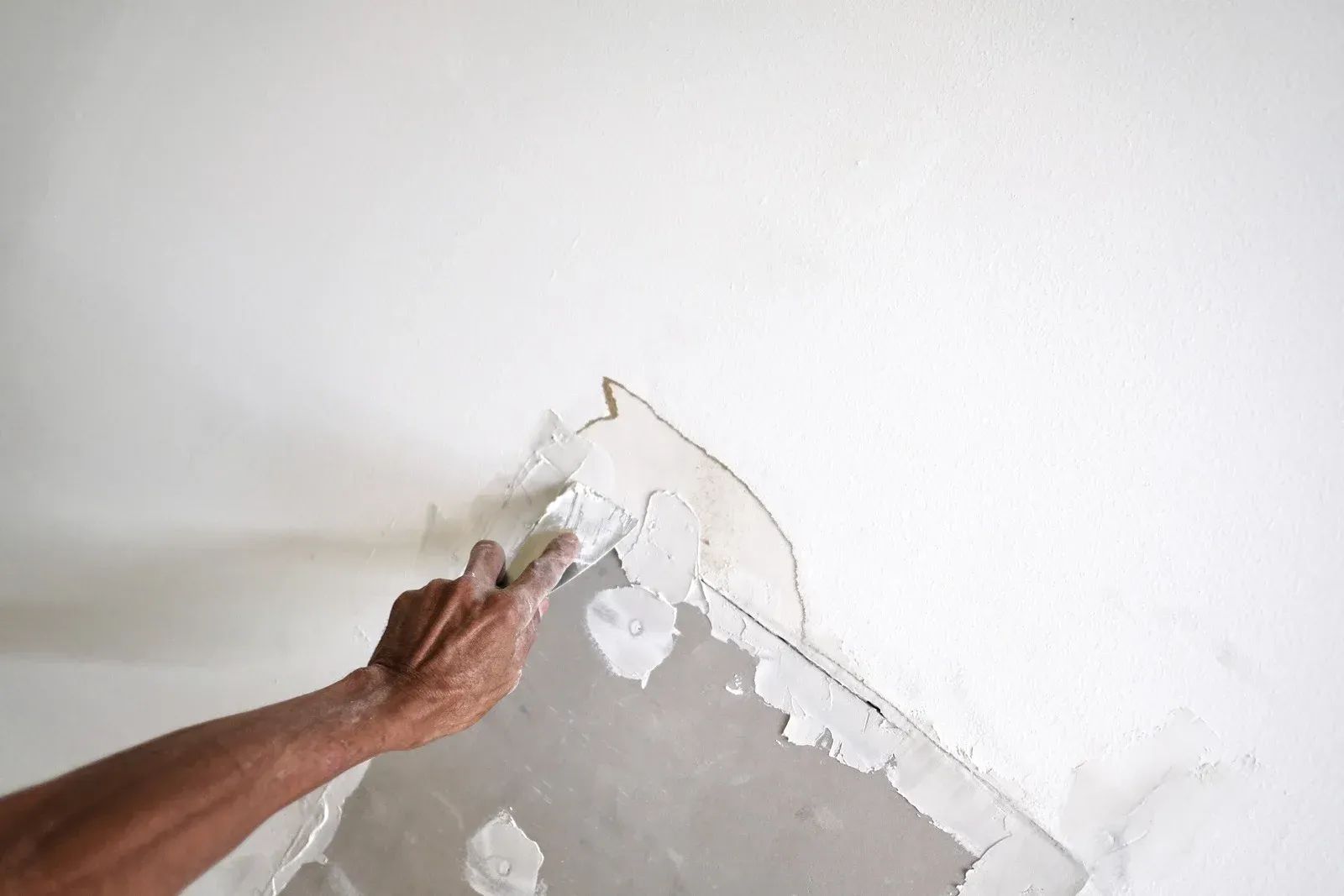
For sections with significant chipping or spalling, it may be necessary to remove the affected panel entirely. Carefully cut out the damaged area, leaving clean edges, and install a lath backing if needed. Apply a base coat, allow it to set, then finish with a textured topcoat that matches the original surface. Patience during curing ensures a strong, durable repair that blends seamlessly with adjacent areas.
Techniques for Blending and Texturing
Achieving a visually uniform finish requires matching the existing stucco texture. Common techniques include:
- Float Finish: Using a wooden or sponge float to achieve a smooth or lightly textured surface.
- Dash or Spray Finish: Mimicking a sprayed or splattered look by dabbing or flicking the surface.
- Trowel Textures: Creating swirls, lines, or patterns using a trowel.
Practicing on a sample board before applying to the wall can prevent mismatched textures and improve final results.
Painting Stucco: Preparation and Application
Choosing the Right Paint
Painting stucco requires selecting paints specifically formulated for masonry surfaces. Acrylic latex paints are preferred due to their flexibility, breathability, and resistance to cracking. Elastomeric paints offer additional benefits, including filling minor cracks and providing superior water resistance, making them ideal for areas prone to moisture exposure.
Surface Preparation
Proper surface preparation is crucial for long-lasting paint results. After repairs have fully cured, clean the stucco to remove dust, debris, or efflorescence. Patch any imperfections and lightly sand uneven areas. Priming is recommended, particularly on repaired sections, to improve adhesion and prevent color inconsistencies. Use a masonry primer compatible with the chosen topcoat.
Painting Techniques
Stucco can be painted using brushes, rollers, or sprayers:
- Rollers: Ideal for textured surfaces; use a thick-nap roller to reach into grooves and crevices.
- Sprayers: Efficient for large areas; maintain consistent distance to avoid uneven coating.
- Brushes: Useful for edges, corners, and detail work.
Apply two coats for uniform coverage, allowing sufficient drying time between layers. Temperature and humidity impact drying, so follow manufacturer guidelines to prevent blistering or peeling.
Maintaining and Protecting Stucco Surfaces
Routine Maintenance
Regular maintenance extends the life of stucco exteriors. Periodic inspections for cracks, water stains, or discoloration allow early intervention. Gutter cleaning, roof inspection, and proper landscaping reduce moisture exposure and minimize damage risks.
Cleaning Stucco
Gentle cleaning prevents buildup of dirt, mold, or mildew. Use a soft brush, mild detergent, and water for routine cleaning. Pressure washing should be used cautiously to avoid eroding the stucco surface.
Protective Measures
Sealants or water-repellent coatings add a protective layer without compromising breathability. These treatments help prevent moisture infiltration and staining, particularly in areas exposed to heavy rain or sun.
When to Call a Professional
While minor repairs can be DIY-friendly, larger cracks, extensive water damage, or structural issues require professional expertise. Certified stucco contractors provide accurate assessments, ensure proper techniques, and deliver durable, aesthetically consistent results.
Trusted Painting Team Enhancing Stucco Durability Effectively
At YourNextPainter, we understand that every stucco surface presents unique challenges and opportunities. With 35 years of experience in painting and remodeling, our team in Rowlett, Texas, has honed the expertise necessary to deliver exceptional results. We specialize in restoring strength and style to stucco exteriors, combining meticulous repair techniques with professional-grade paints and coatings. Our commitment to precision, quality materials, and attention to detail ensures that each project not only meets but exceeds client expectations. From minor touch-ups to full-scale restorations, we tailor our approach to match the specific texture, color, and architectural style of your property.
Choosing us means partnering with a trusted authority in the industry. We guide clients through every step—from assessment and repair to painting and maintenance—providing expert advice and reliable service. Our goal is to extend the life of your stucco, protect your investment, and enhance the aesthetic appeal of your home or commercial property. By prioritizing craftsmanship, durability, and customer satisfaction, YourNextPainter
transforms ordinary exteriors into beautifully restored spaces that withstand the test of time. When it comes to stucco repair and painting, our experience, knowledge, and dedication set us apart as the premier choice in Rowlett and surrounding areas.